Capturing the Towers

Photography from the Petronas Twin Towers occurs within specific constraints. Glass barriers, controlled spaces, and atmospheric conditions shape what images emerge from the observation deck and skybridge.

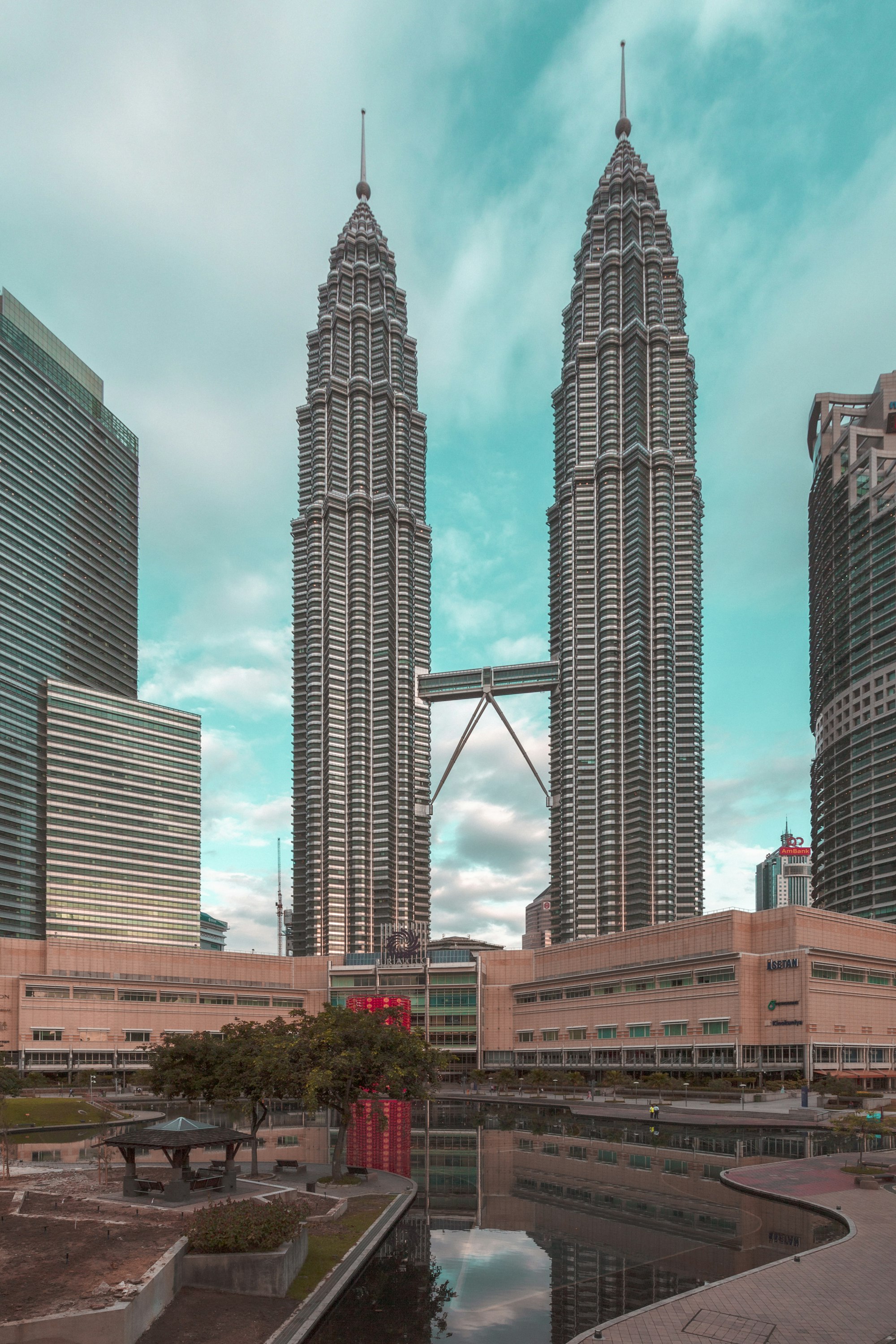
Petronas Twin Towers viewed from KLCC park with fountains in foreground showing daytime photography perspective

The Glass Barrier Challenge

All viewing areas accessed with Petronas Twin Towers tickets feature floor-to-ceiling glass panels. These protective barriers enable unobstructed views but introduce photographic complications. Reflections appear in nearly all shooting positions, particularly during bright conditions or when interior lighting exceeds exterior brightness.

Minimizing reflections requires positioning the camera lens directly against the glass or using a rubber lens hood pressed to the surface. This technique blocks ambient light from striking the glass at angles that would produce mirror effects. However, pressed-glass shooting limits compositional freedom—the fixed shooting position determines framing.

Polarizing filters reduce some reflection intensity but cannot eliminate all glass artifacts. The filter's effectiveness varies based on the angle between the shooting position and the glass surface, with perpendicular angles yielding better results than oblique approaches.

Tripods and professional camera equipment face restrictions within the Petronas Twin Towers visitor zones. Handheld shooting represents the standard approach for ticket holders.

Light and Atmospheric Conditions

Time of day profoundly impacts photography from the 86th floor observation deck. Morning light, typically between 9 AM and 11 AM, offers clear atmospheric conditions before afternoon heat builds moisture haze. However, morning sun angles produce strong contrasts that can challenge camera dynamic range.

Late afternoon, approximately two hours before sunset, delivers warmer light that rakes across building facades below. This oblique illumination creates depth and dimension in cityscape images. The tradeoff involves increased atmospheric haze accumulated through the day's heat.

Evening slots approaching sunset provide transitional lighting as the city shifts from daylight to artificial illumination. This brief window—roughly 30 minutes around sunset—offers mixed lighting conditions where some buildings catch late sun while others have entered shadow. Such complexity produces compelling images but requires exposure management.

Skybridge Photography

The 41st floor skybridge presents distinct photographic characteristics. The enclosed passage limits shooting angles to perpendicular views through the side windows. The architectural structure of the skybridge itself—steel beams, glass panels, and the visible tower facades above and below—provides compositional elements beyond the cityscape.

Skybridge photography suffers particularly from reflection issues. The enclosed space means interior lighting always contributes ambient illumination that reflects in the glass. Shooting here demands either acceptance of these artifacts as compositional elements or careful positioning to minimize their presence.

The brief 10-minute allocation at the skybridge level restricts photographic exploration. Moving between window positions while other visitors occupy the space requires both patience and quick assessment of shooting opportunities.
Photography from the Petronas Twin Towers compresses the city into layers of depth—foreground, middle ground, and distant mountains resolve into readable strata from 370 meters elevation.

Focal Length Considerations

The observation deck's height creates specific relationships between focal length and compositional outcome. Wide-angle lenses capture expansive cityscapes but diminish individual building detail. The extreme vertical distance transforms specific structures into small elements within vast urban fields.

Moderate telephoto focal lengths—roughly 70-200mm equivalent—allow isolation of specific city districts or architectural clusters. These compressions emphasize Kuala Lumpur's density, layering buildings against distant topography. However, atmospheric haze intensifies with distance, softening detail in telephoto captures.

Standard focal lengths around 35-50mm equivalent balance context and detail, approximating natural visual perspective. These lenses frame the city as experienced by the eye, without the distortion of wider optics or the compression of telephotos.

Technical Restrictions

The Petronas Twin Towers visit experience imposes practical limitations on photography. Large camera bags may face storage requirements. Tripods, as mentioned, are typically prohibited. Professional lighting equipment, if brought, would not be permitted in visitor areas.

These constraints favor mobile phone photography or compact camera systems. Modern smartphones often perform adequately in the bright outdoor lighting conditions, though zoom capabilities remain limited compared to dedicated cameras with telephoto lenses.

Video recording is generally permitted, subject to the same handheld requirements as still photography. However, the controlled visit duration means video documentation must occur quickly, often while simultaneously moving through spaces with other visitors.

Petronas Twin Towers with skybridge visible from mid-level perspective showing architectural detail and surrounding urban context

External view showing photographic perspective available from surrounding areas without requiring tower access

Alternative Perspectives

Photography of the towers themselves—rather than views from them—occurs from ground-level positions surrounding the KLCC complex. The park areas adjacent to the towers provide classic vantage points, though hundreds of other photographers occupy these same positions daily.

The architectural elements visible in ground-level tower photography include the skybridge connection, the towers' stepped facades, and the pinnacle structures. These elements become compositional anchors when photographing the structures rather than shooting from within them.

Night photography of the illuminated towers requires no tickets and offers different opportunities than daytime observation deck access. The towers' lighting system activates after sunset, transforming them into vertical elements of light against dark sky.

Those booking Petronas Twin Towers tickets specifically for photography should carefully consider whether the constraints of shooting from the observation deck align with their imaging goals. The experience provides unique elevated perspectives but within significant technical and temporal limitations.

Understanding the vertical journey through the towers helps set realistic photographic expectations. The ascent offers minimal shooting opportunities, the skybridge provides brief access under challenging lighting, and the observation deck represents the primary imaging zone—all within a 45-minute total visit window.